
By 19, I could bench press 405 pounds, completely drug-free. You might assume I had an enormous chest. I didn’t. My chest was still one of my weakest body parts.
I have long arms, and whenever I bench pressed, I felt my shoulders doing more of the work than I wanted. But the advice I heard everywhere was the same: if you want a bigger chest, you have to bench press. So I kept doing it. I kept adding weight. I became exceptionally good at the movement.
Then, during a warm-up with 135 pounds, I heard a snap.
When getting stronger at an exercise wasn’t solving my problem
I didn’t start lifting because I wanted to be a competitive powerlifter. I wanted to build my physique, especially my chest. When I first started, I could barely do ten repetitions with an empty Olympic bar. I worked hard, added weight, and eventually reached that 405-pound bench.
On paper, I had made tremendous progress. In the mirror, the result I actually wanted hadn’t followed.
That’s a distinction I wish I had understood sooner: getting better at an exercise and building the muscle you’re trying to build are related, but they aren’t identical goals. If the bench press is your sport, the weight on the bar matters enormously. If your goal is chest development, the lift is a tool you evaluate by what it does for your chest and whether you can keep training it productively.
For me, despite trying to focus on my pecs, the bench press never seemed to challenge my chest as well as I expected. My shoulders tended to dominate the movement. I ignored that experience because I thought the exercise was mandatory.
The day I stopped heavy benching
The injury didn’t happen while I was attempting a personal record. I was warming up with one plate on each side of the bar. There was a loud snap; my right arm gave way and the bar tilted. My coach got there in time to catch it.
The pain lasted for months. At the time, I feared I might never lift heavy again. I decided I would stop heavy bench pressing, even though I thought I might be giving up my chance to develop my chest.
That was 34 years ago.
I’m telling you what happened to me, not claiming that bench presses inevitably cause injuries or that my experience predicts yours. Plenty of people bench press successfully. The lesson for me was that I had kept one exercise at the center of my training long after I should have questioned whether it suited my goal.
What I did instead
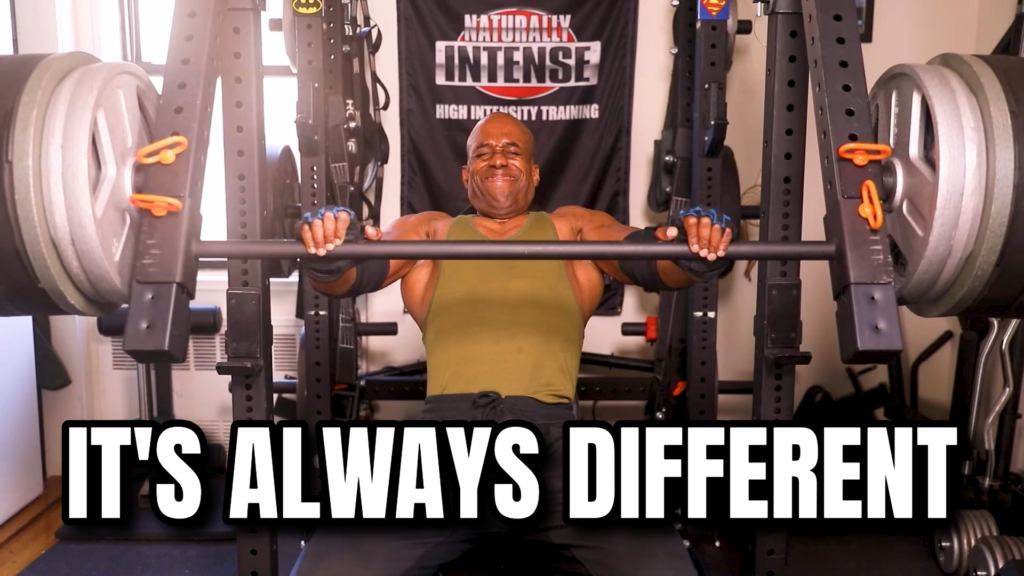
As I recovered, I stopped organizing chest training around one supposedly essential lift. I began applying the principle I was developing in Naturally Intense High Intensity Training: change the exercise or how it’s performed, while continuing to give the target muscle a demanding workout.
One workout might use one pressing movement; the next could use a different angle, resistance, or movement pattern. The exercises changed, but the purpose didn’t. I still wanted to challenge my chest intensely and give it a reason to adapt.
Over time, my chest developed more than it had when I was focused on raising my bench-press number. I can’t run a controlled experiment on my younger self and isolate a single reason. But stopping heavy benching did not stop me from building my chest. For me, it coincided with some of my best chest development.
If you want to see an example of how I train it now, read The 5-Minute Chest Workout That Built My Pecs Naturally. That article shows the workout; this one explains why I stopped treating the barbell bench press as the only way forward.
Should you stop bench pressing?
No. If bench pressing feels good for you, challenges your chest effectively, and helps you progress toward your goal, keep it. Your build and experience may be different from mine.
But if you’ve continued doing it solely because someone says you must, ask yourself:
- Is my chest getting the challenge I want from this lift?
- Can I train it hard without repeatedly working around pain?
- Am I seeing the physique changes I want, or am I mainly improving my bench-press performance?
If the answers aren’t what you hoped, you can reassess your exercise selection. You don’t owe any particular movement a permanent place in your program. Persistent pain or a suspected injury deserves an appropriate medical assessment rather than an attempt to push through it.
The lesson that lasted beyond chest day
For a long time, I measured success by how much weight I could put on the bench. Reaching 405 pounds was a real achievement, but it wasn’t the result I had originally set out to get.
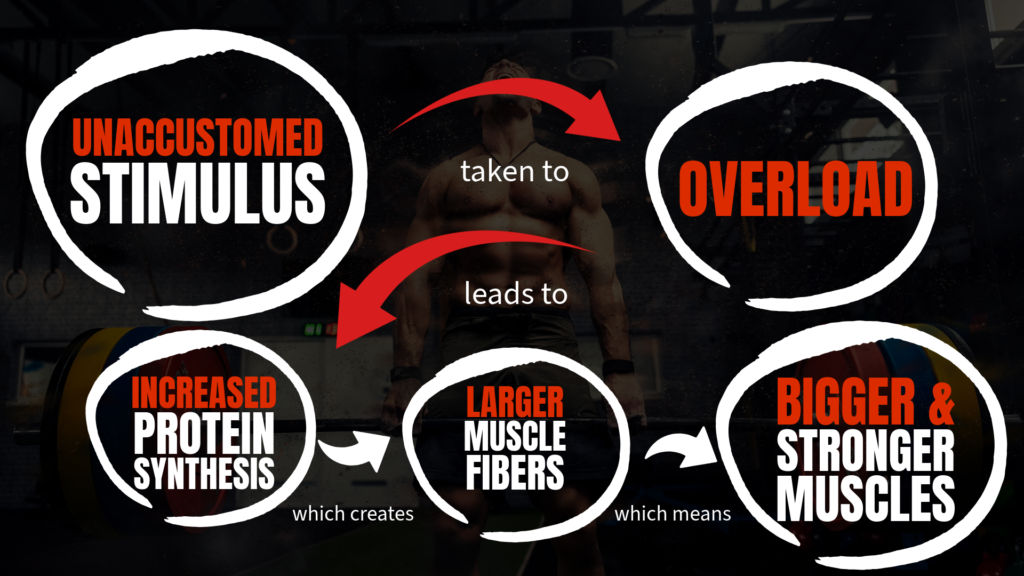
Once I let go of that one exercise, I could focus on the goal again: challenging the muscle, building my chest, and continuing to train hard for years to come.
Exercises are tools. Use the ones that serve the result you’re after.
If you’d like help building a program around your goals, apply to train with me and the Naturally Intense team.
Excelsior!