
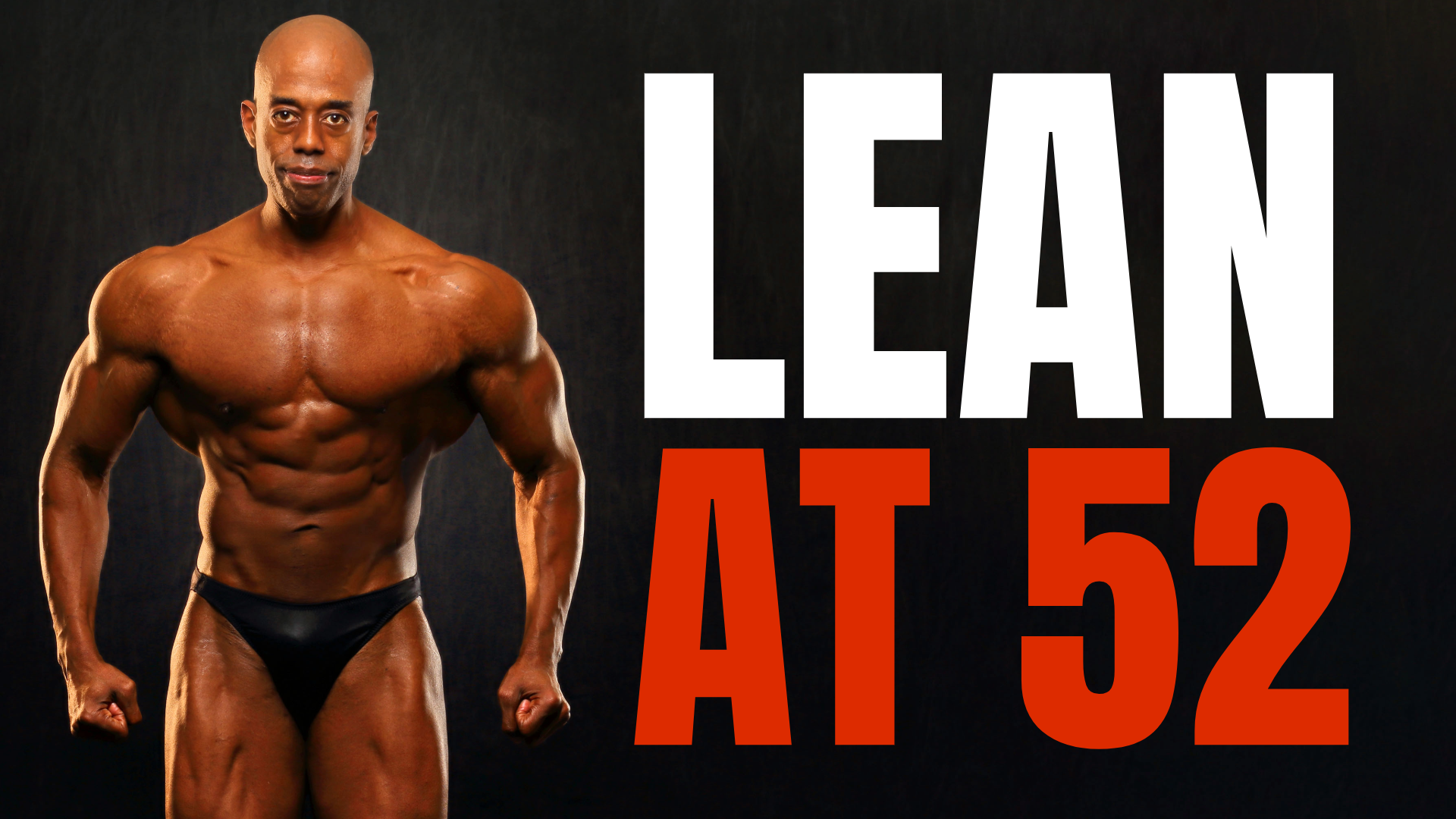

How I Get Lean at 52 Without Losing Muscle
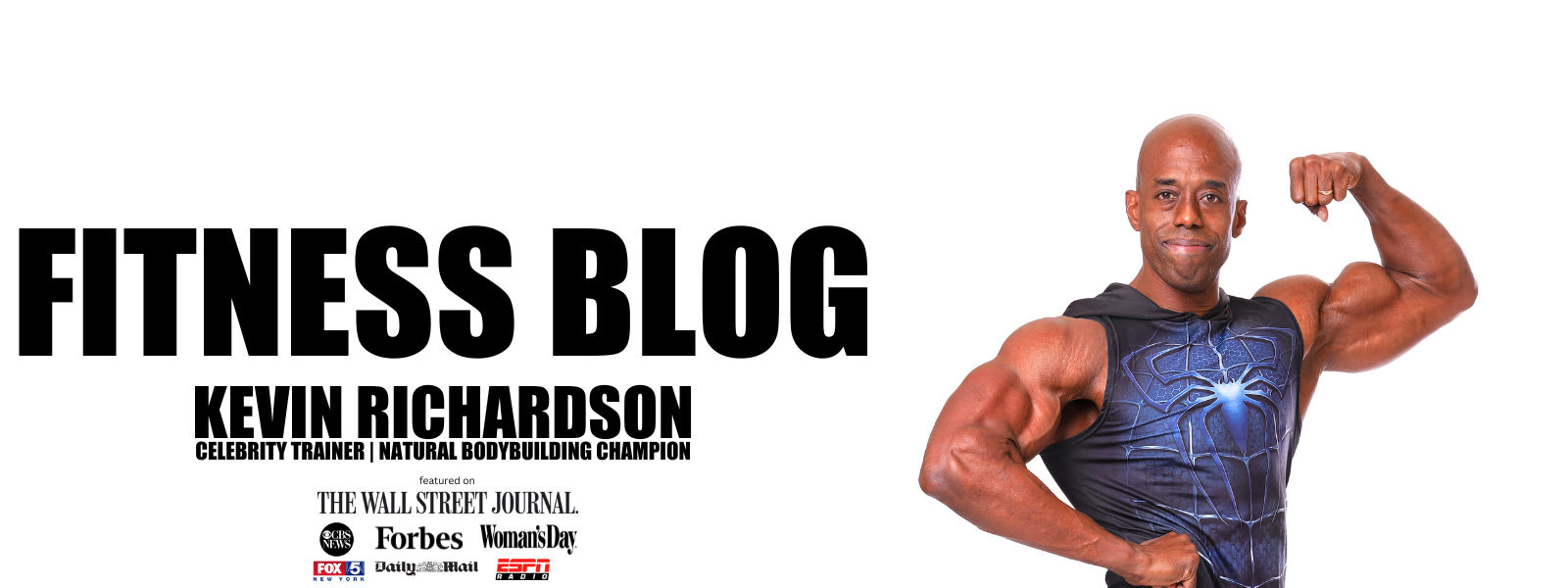
By Kevin Richardson, lifetime drug-free natural bodybuilding champion and founder of Naturally Intense
I eat a big breakfast every day. I have never used intermittent fasting. And when I wanted to get a little leaner for my 52nd birthday photographs, I did not add cardio or completely change the way I train.
I lost eight pounds over three months. My strength stayed where it normally is, I had no visible loss of muscle size, and I even hit a personal record while dieting down.
My last bodybuilding contest was in 2004. These photographs were not preparation for another competition. I take pictures around my birthday to document where I am as the years go by and to show that natural bodybuilding can be a way of life.
The useful part of this story is the process behind the photographs: familiar meals, adjustments I could live with, and training performance that helped me judge whether I was going in the right direction.
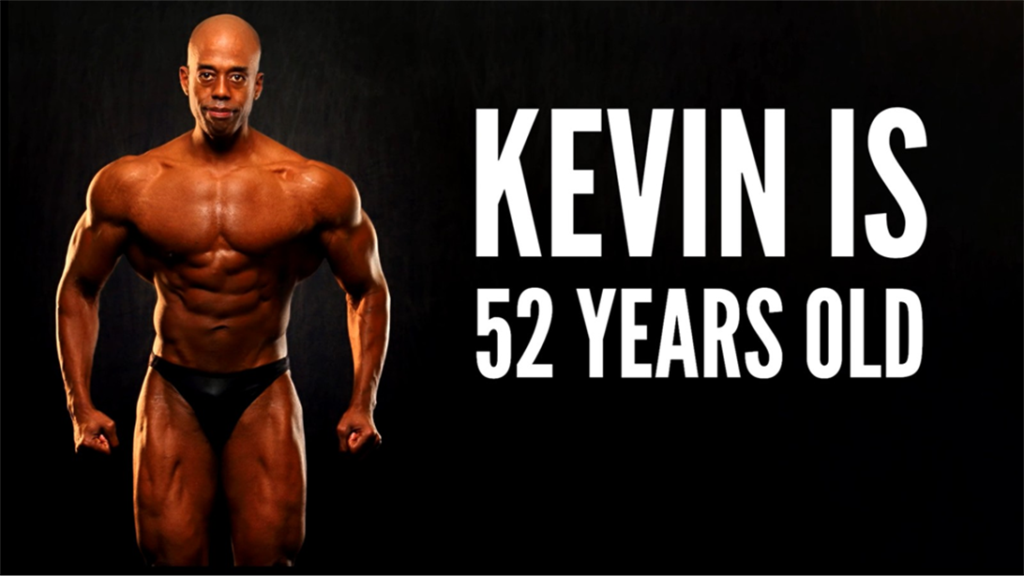
Kevin Richardson posing for his 52nd-birthday photographs. He reports losing eight pounds over three months while maintaining strength.
Watch the full video: How I Get Lean and Stay Lean All Year Round Without Losing Muscle at 52.
Getting Leaner Started With Small Changes
The foundation of how I eat has not changed much since my twenties. What changes is the quantity and how I arrange it around training and recovery.
I was already in good shape before the birthday photographs. I wanted to refine that shape a little. Giving myself three months to lose eight pounds meant I could make manageable changes instead of trying to force a major transformation in a few weeks.
I also did not arrive at that point after deliberately adding a lot of weight that I would then need to lose. Staying reasonably close to the condition I want has been an important part of my approach for years.
Here is what those adjustments looked like in practice.
Breakfast A Substantial Meal I Enjoy
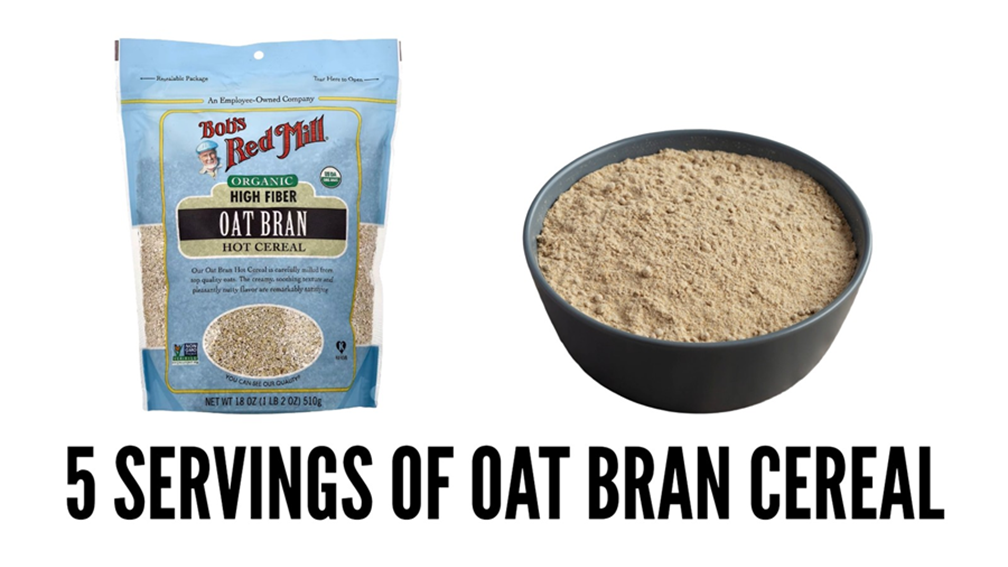
My breakfast is oat bran cereal and egg whites cooked in olive oil.
During this period, I was eating five servings of oat bran cereal. On training days, I had five egg whites. The day after a workout, I had six. I used about a tablespoon of olive oil to cook them.
As I explain in the video, that breakfast came to roughly 1,000 calories. That is an estimate for my portions, not a target I am giving everyone else. The cereal label, serving size and amount of oil all matter when calculating your own meal.
I had reduced the cereal from the larger amount I normally ate, but breakfast remained substantial. It also kept me satisfied until lunch. I did not need to abandon a meal I enjoyed simply because skipping breakfast had become popular.
Kevin describes keeping a substantial breakfast while leaning out.
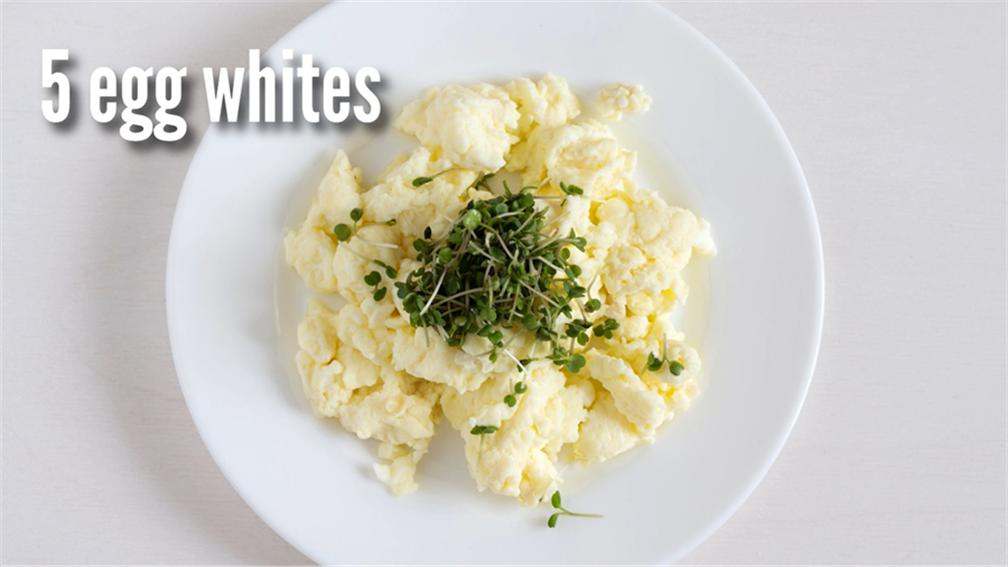
Kevin describes five whites on training days and six the day after a workout.
Why Fiber Matters to My Consistency
The oat bran also provided a considerable amount of fiber. In the video, I describe that portion as giving me about 30 grams before lunch; check the label of the cereal you use rather than assuming every product provides the same amount.
For me, feeling satisfied is an enormous part of being able to keep eating this way. Over decades of coaching, I have also found that meals built around high-fiber foods often help clients feel more comfortable with their eating patterns and manage cravings.
If an approach leaves you thinking about food all day and waiting for the next opportunity to eat, you have to consider how practical it will be to maintain.
Lunch Adjusting Portions Around Training and Recovery
On a training day, lunch was generally one skinless chicken breast and one small Japanese sweet potato.
When I am not leaning out, I would normally eat about two chicken breasts a day. During this period, changing that portion was one of the adjustments I made.
The day after a workout, I might have one and a half chicken breasts, sometimes two, depending on how I felt. On other non-training days, I would generally have one breast without the sweet potato.
Those are three different situations: the training day, the recovery day immediately afterward, and the other non-training days. I was paying attention to them rather than deciding that every meal had to become smaller because I was dieting.
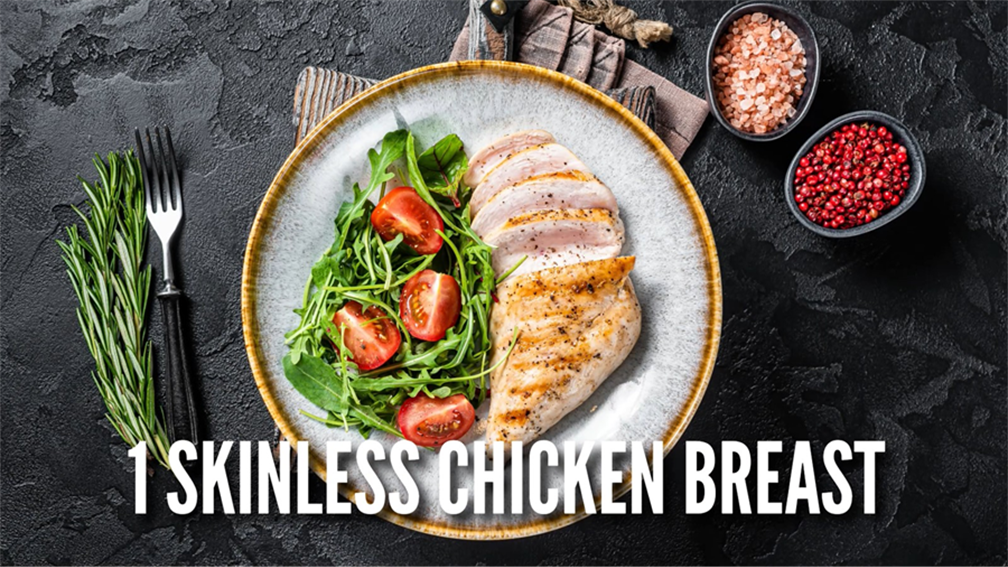
Kevin adjusted lunch portions around training and recovery.
Carbohydrates Stayed in My Diet
Later in the afternoon, I had fruit. Recently, that had been about four cups of watermelon or two oranges, on both training and non-training days.
Leaving out the sweet potato on a particular day did not mean eliminating carbohydrates. I was adjusting the portions and where those foods fit into my day.
The distinction matters. A modest adjustment to a meal does not require turning the entire way you eat upside down.
Dinner Similar Portions, Different Fish
On training days, dinner was generally a salmon fillet of about six ounces.
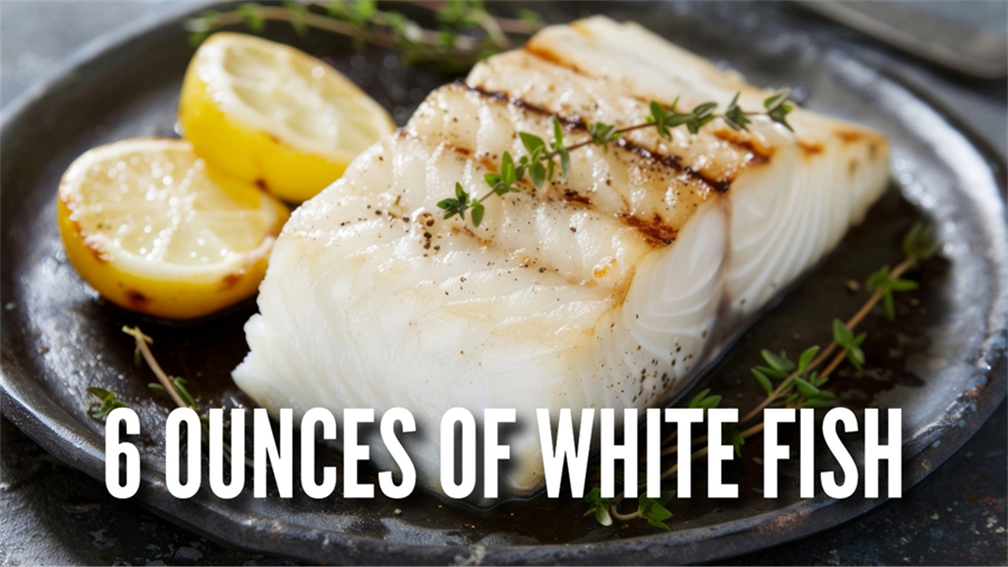
On non-training days, I had a similar-sized portion of a leaner fish, such as cod, haddock or sometimes catfish. Changing the type of fish was one way I adjusted the fat and calories while keeping a familiar dinner.
Preparation counts too. The oil used in cooking and anything added to the meal are part of what you eat; the name of the main ingredient does not tell you the entire calorie content.
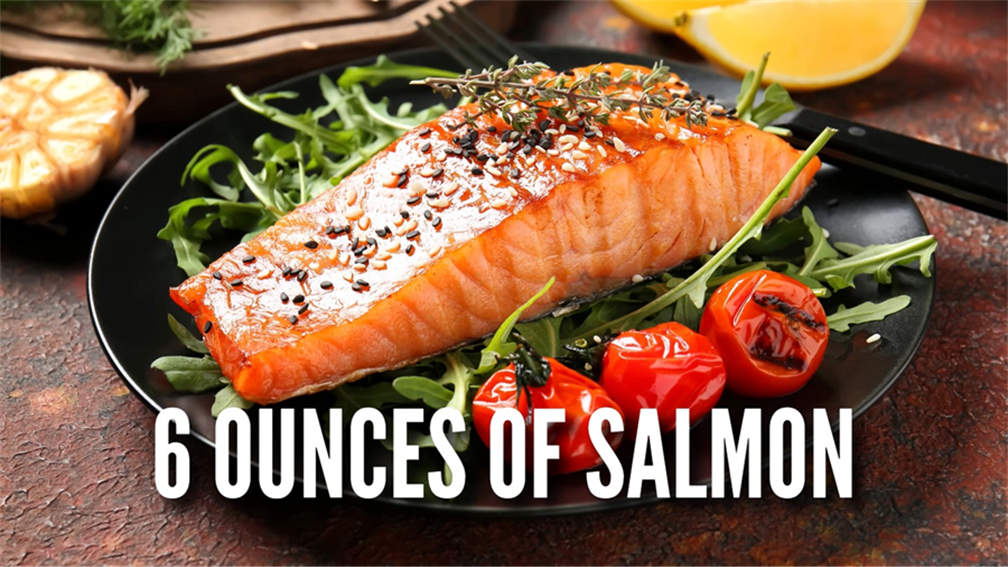
Kevin describes salmon as his usual training-day fish.
The video’s white-fish dinner image. Kevin describes choosing leaner fish on non-training days.
I am from Trinidad, so understand that these meals have to taste good. With proper preparation and seasoning, healthy food can taste fantastic. Anyone who has eaten at my table knows how seriously I take that.
That is also why I do not feel the need for cheat meals. I enjoy what I eat. I am not spending the week eating food I dislike while waiting for permission to enjoy myself.
For snacks, I generally had air-popped popcorn and sometimes a serving of peanuts. Those portions were part of the day as well. Having a big breakfast did not mean I could eat unlimited amounts afterward.
The whole day matters.
Training Performance Was an Important Benchmark
The scale going down was only one part of how I judged the process. What happened in the gym mattered enormously.
My strength stayed where it normally is, and I hit a personal record during that period. I had good energy and could continue training hard. Those were encouraging signs for me.
That does not mean you have to set a personal record whenever you lose weight. One difficult workout also does not mean your approach has failed. But if my performance consistently declines, I reassess my food intake, sleep and recovery instead of continuing to reduce food simply because the scale is moving.
I also saw no visible loss of muscle size. That describes what I observed; it is not a claim that I used a body-composition scan to measure every change in muscle tissue.
My Training Stayed the Same
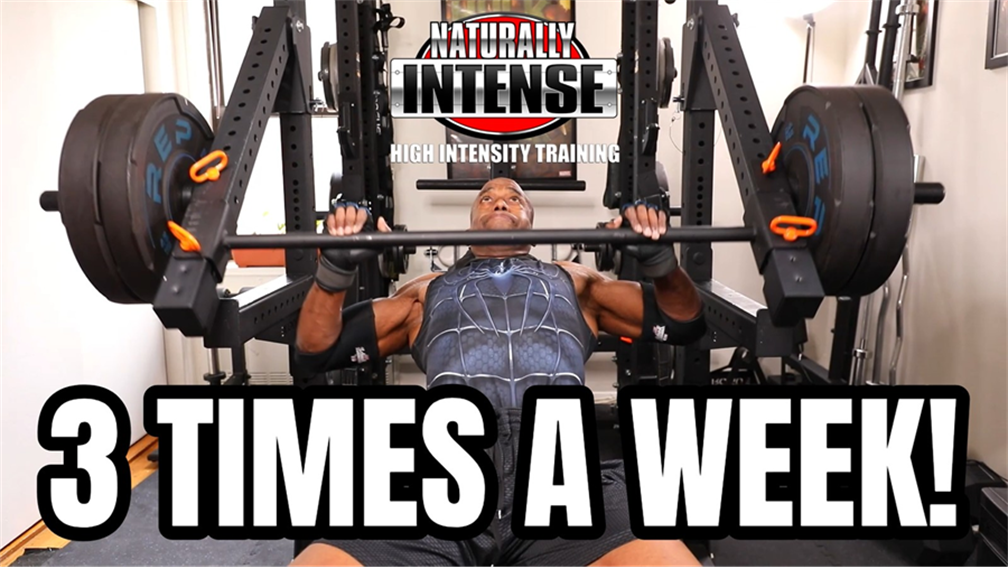
I continued Naturally Intense High Intensity Training: demanding sessions lasting about 10 to 15 minutes, maximum 20, three times a week. I did not add dedicated cardio sessions to get leaner for the photographs.
That describes my own training approach and this particular period of leaning out. I wanted to keep performing well while improving my condition.
In the video, I also mention bloodwork from a past competition preparation. My testosterone reading was around 400 ng/dL, consistent with my usual level at the time. That was a blood-test result from that earlier competition, not a hormone measurement from these birthday photographs. Strength performance is a practical benchmark I can follow in the gym; it does not measure testosterone.
Why I Prefer Staying in Shape Throughout the Year
My first experience with bulking changed how I approached bodybuilding. I did not like the trade-off when getting lean required losing a much larger amount of weight and my energy and performance suffered.
In my competitive years, I generally tried to stay within about 12 pounds of competition weight. The aim was to arrive onstage looking muscular and still feeling strong.
The same principle carried into these birthday photographs. I was making adjustments to habits that already worked for me. There was no need to create a completely different lifestyle for a short period and then abandon it as soon as the camera was put away.
For more on that approach, watch How to Build Muscle and Stay Lean All Year Round Without Bulking.
Do You Need Intermittent Fasting to Get Lean
People ask me about intermittent fasting because I start the day with a large breakfast. I have never used fasting, and I have not seen a reason to stop eating in a way that I enjoy and can maintain.
A 2022 randomized trial published in the New England Journal of Medicine assigned 139 adults with obesity to calorie restriction with or without an eight-hour eating window. After 12 months, both groups had lost weight, and the difference in weight loss between the groups was not statistically significant. [1]
The study did not test my exact diet or natural bodybuilders preparing for photographs. It supports the narrower point that adding an eating window to calorie restriction did not produce a clear additional weight-loss benefit in that trial.
There are many ways up any mountain. If an eating schedule helps you stay consistent, that is something you can consider. My experience shows that regular meals, including breakfast, can also be part of getting leaner.
The Approach Had to Feel Good Enough to Continue
After the photographs, I kept eating much the same way. By the time I recorded the video, I was a full ten pounds down. I still enjoyed the food, felt good and could train hard.
As I have gotten older, I have appreciated staying lean even more. My motto is:
If I can’t flex it, I don’t want to carry it.
Your starting point, appetite, activity and portions may differ considerably from mine. Copying my food quantities is not the lesson I want you to take away.
Pay attention to the process: meals based on whole or minimally processed foods, plenty of fiber, enough food to support your training, and changes you can maintain. Give yourself enough time to assess how you feel and perform.
I want to look good in the photographs. I also want to feel good and keep doing this for years to come. For me, those goals belong together.
If you would like help applying Naturally Intense training to your own circumstances, learn about working online with me and my team.
Know that I believe in you. Make sure you believe in yourself. And as always, Excelsior!