

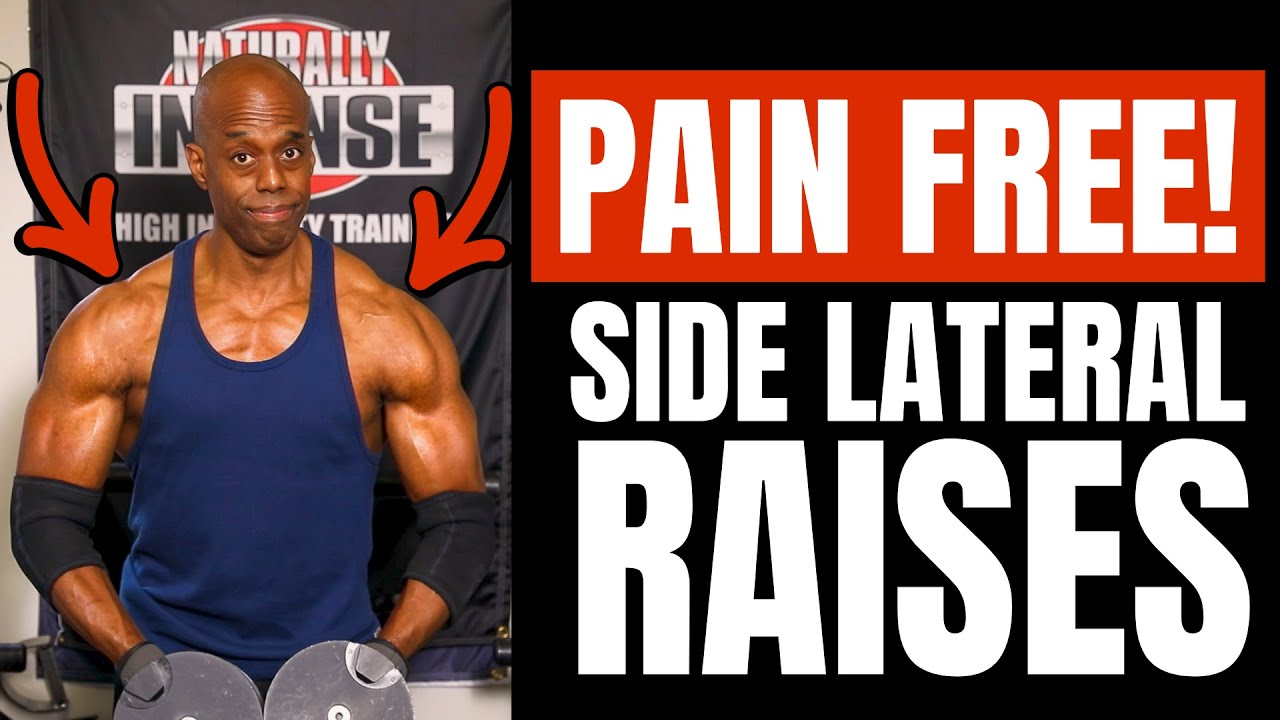
Click HERE to watch “Boulder Shoulders with PAIN FREE Side Lateral Raises”
Side lateral raises are arguably the most important exercise for building the medial deltoids—the muscles responsible for that wide, capped-shoulder look. This is especially true for natural athletes where intelligent exercise selection and proper intensity matter far more than excessive volume.
But what happens when side lateral raises hurt?

Over the years, I’ve had countless people ask what they should do if traditional side lateral raises cause shoulder pain. The reality is that many people have shoulder issues—whether from sports, daily life, past injuries, or simply performing the same exercises over and over again.
In this article, I’m going to show you how to perform side lateral raises in a way that has helped many of my clients train pain-free, along with two shoulder-friendly side lateral raise variations you can incorporate immediately using Naturally Intense High Intensity Training principles.
High Intensity Training Is Not Just for Elite Athletes
When most people hear the term “high intensity training,” they assume it’s only for elite athletes or bodybuilders. While I do train both, the majority of my clients over the years have been regular men and women—many in their 60s, 70s, and even 80s.

I’ve worked with long-term clients for more than a decade and have even trained individuals into their 90s. That kind of longevity requires smart programming and a deep understanding of injury management.

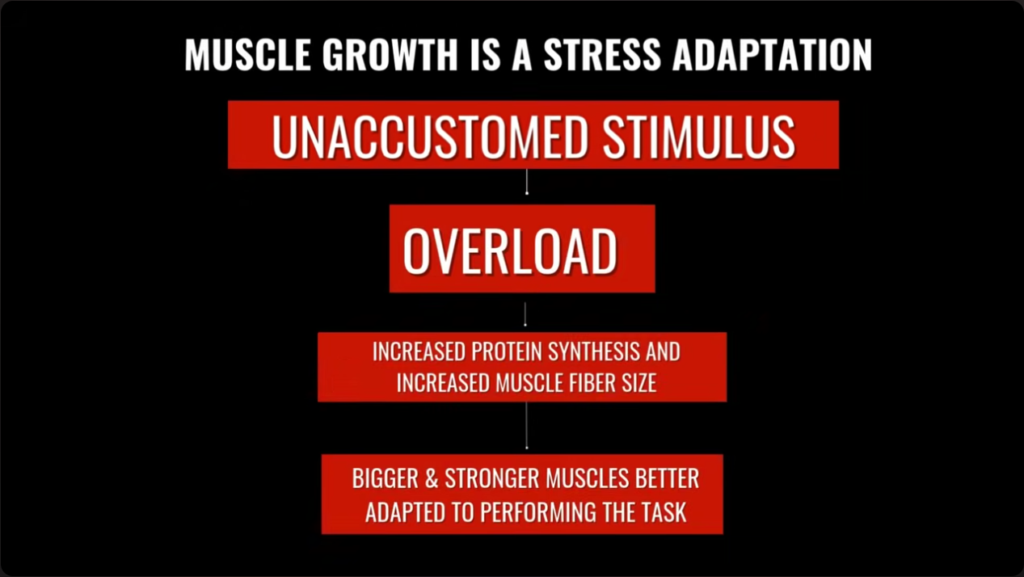
One of the foundational principles of Naturally Intense High Intensity Training is that every workout is different. This constant variation not only drives muscle growth but also drastically reduces the risk of overuse injuries by continually challenging the muscles in new ways.

Muscles grow when exposed to unaccustomed stimulus—a concept further explored in How Muscles Get Bigger and Stronger From Lifting Weights.
Rule #1 When Training Around Shoulder Pain
The most important rule when training with a shoulder injury is simple: it must not hurt.
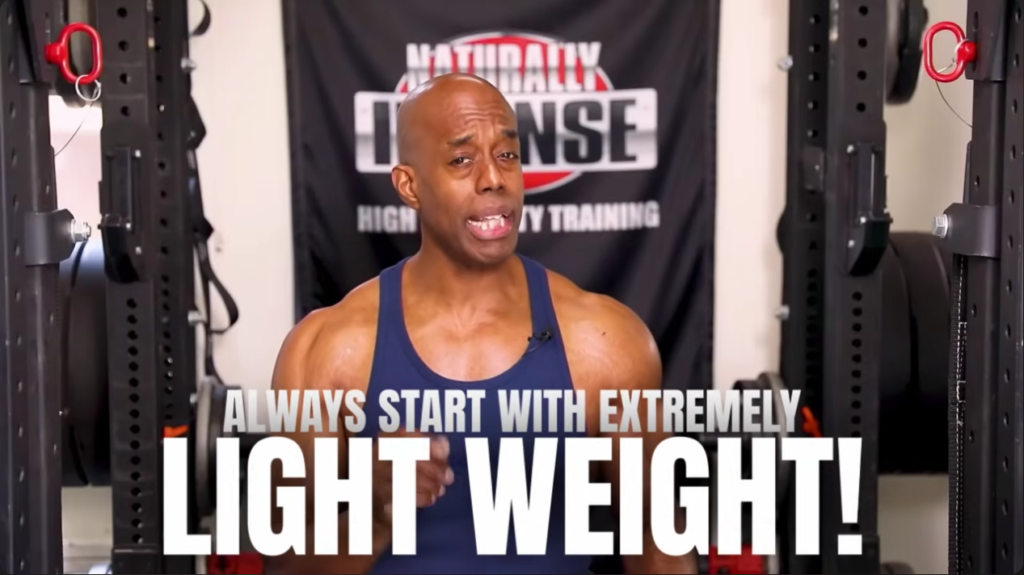
When I work with someone dealing with shoulder pain, we always start with very light weight and carefully test movements. Nearly every time, we find a variation or range of motion that causes zero pain.
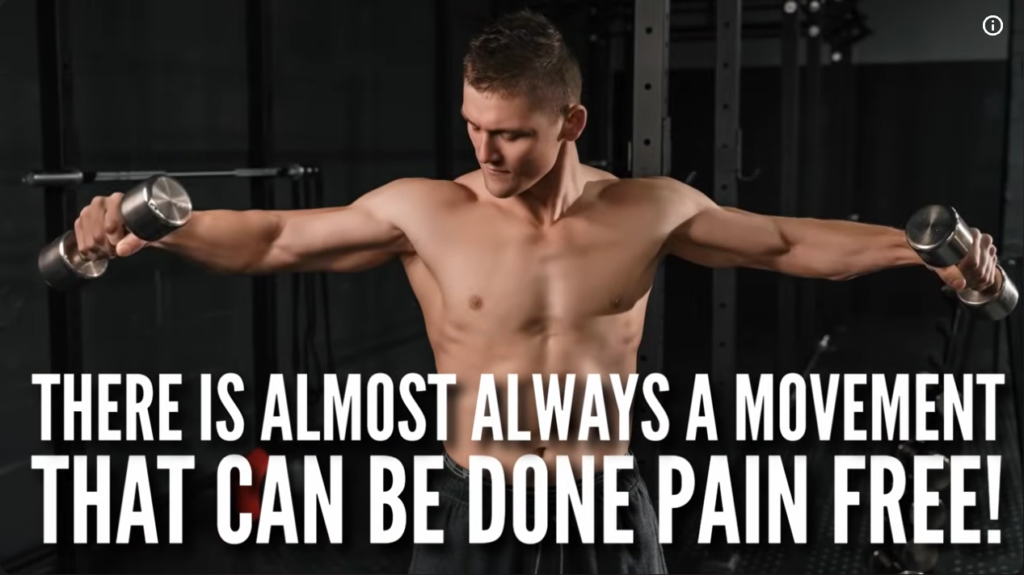
Once you find a movement that doesn’t hurt, that becomes your exercise—even if it’s unconventional.
The Biggest Side Lateral Raise Mistake
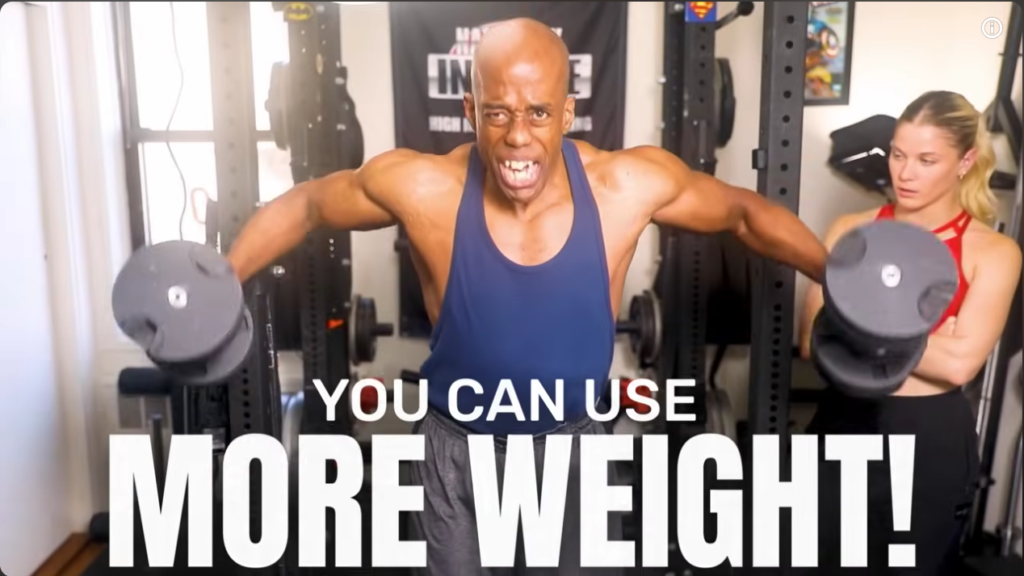
One of the most common mistakes people make with side lateral raises is pulling from the hands instead of the elbows.
Pull From the Elbows, Not the Hands
When performing side lateral raises, focus on driving the movement from your elbows rather than your hands. Avoid excessive wrist rotation or “teacup” motions, as these can place unnecessary stress on the shoulder joint.
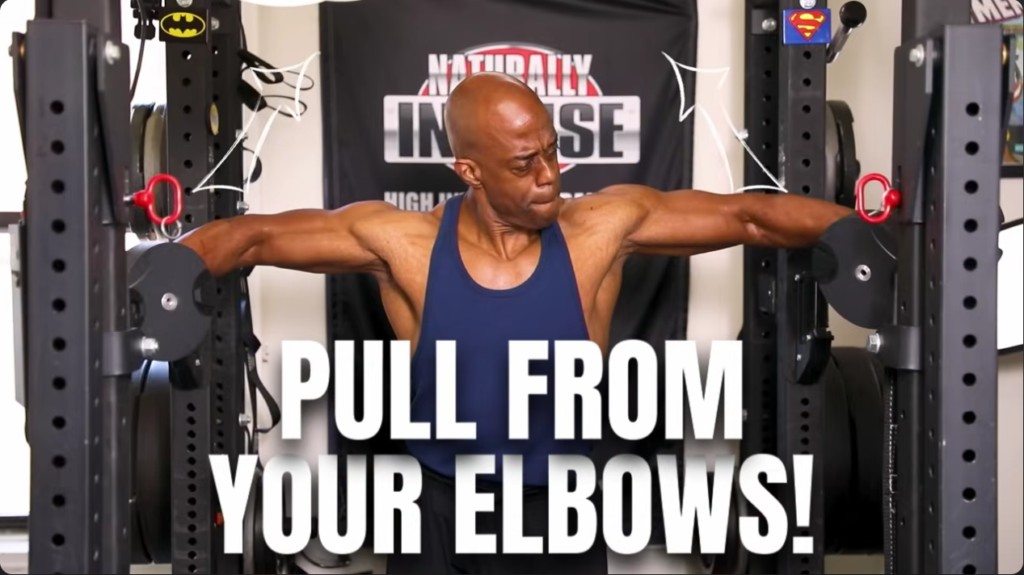
Pulling from the elbows not only reduces joint irritation, but it also gives you better leverage—allowing you to use more weight safely. More weight means greater overload, and greater overload leads to increased muscle growth in the medial deltoids.
For strategies on training with fewer reps and sets while still making gains, see How Many Reps and Sets to Build Muscle.
Pain-Free Side Lateral Raise Variation #1: Lean-Away Laterals
This variation is extremely effective for people with shoulder pain.
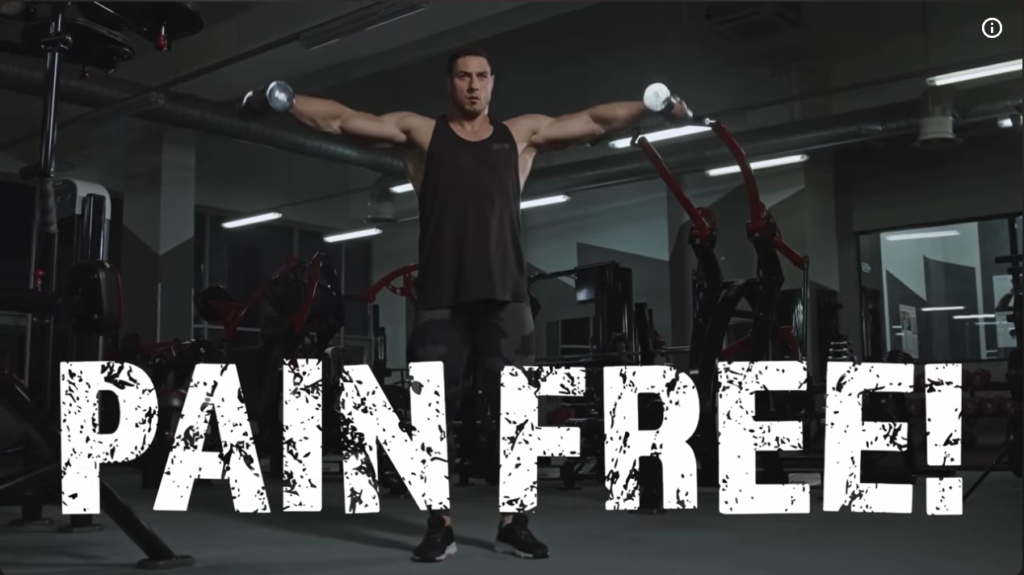
Hold onto a stable object, step your feet out, and lean away from your support. Perform the side lateral raise from this position.
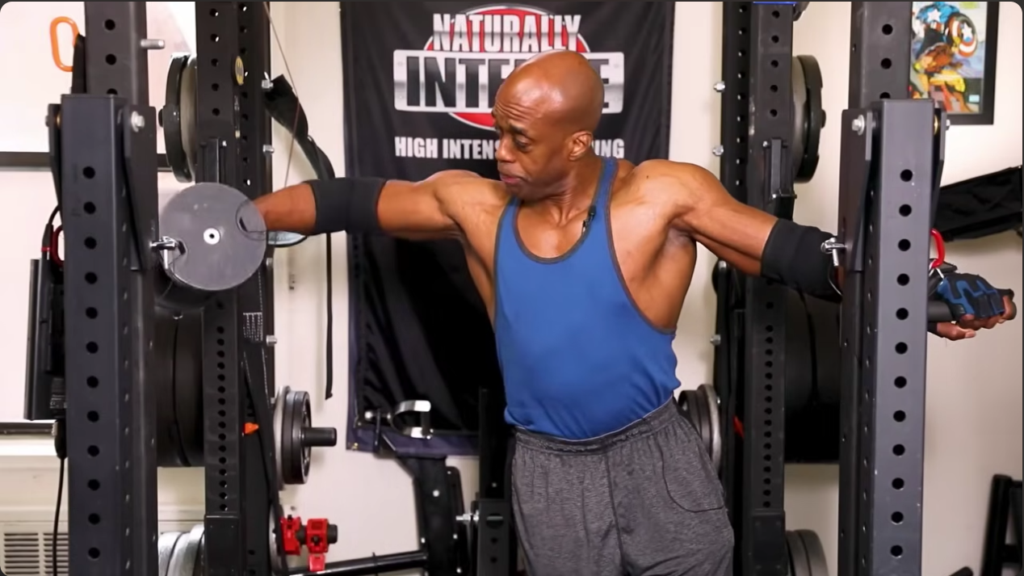
The lean-away setup minimizes shoulder impingement and creates a smoother resistance curve, allowing many people with shoulder injuries to train pain-free.
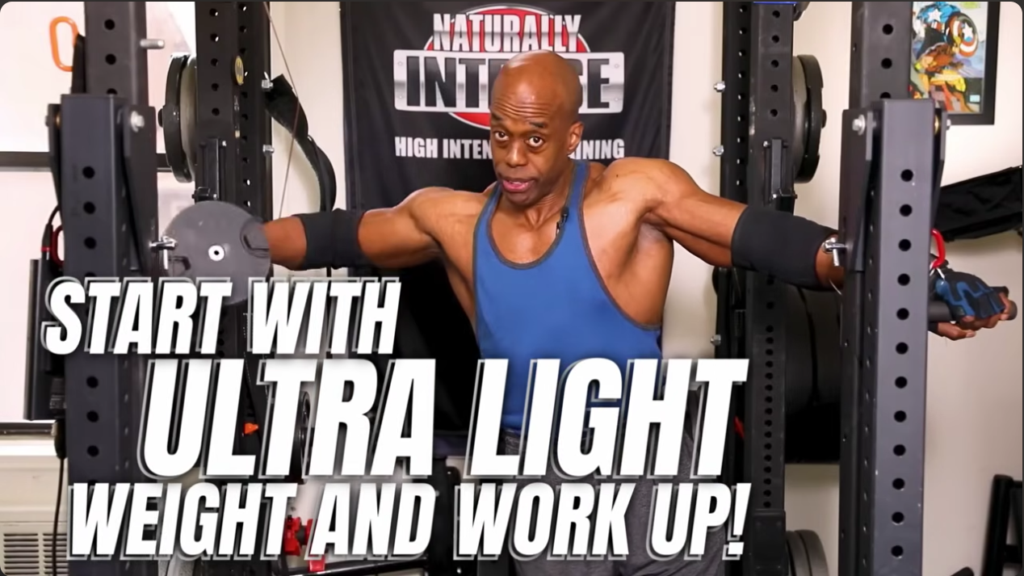
Because of the added leverage, you can safely use heavier weight. Don’t be afraid to push the set hard and incorporate partial repetitions as fatigue sets in. The goal is maximum intensity without pain.
Pain-Free Side Lateral Raise Variation #2: Partial Range Medial Delt Raises
Stand with your feet about shoulder-width apart and hold a pair of dumbbells at your sides. Maintain a slight bend in your elbows.
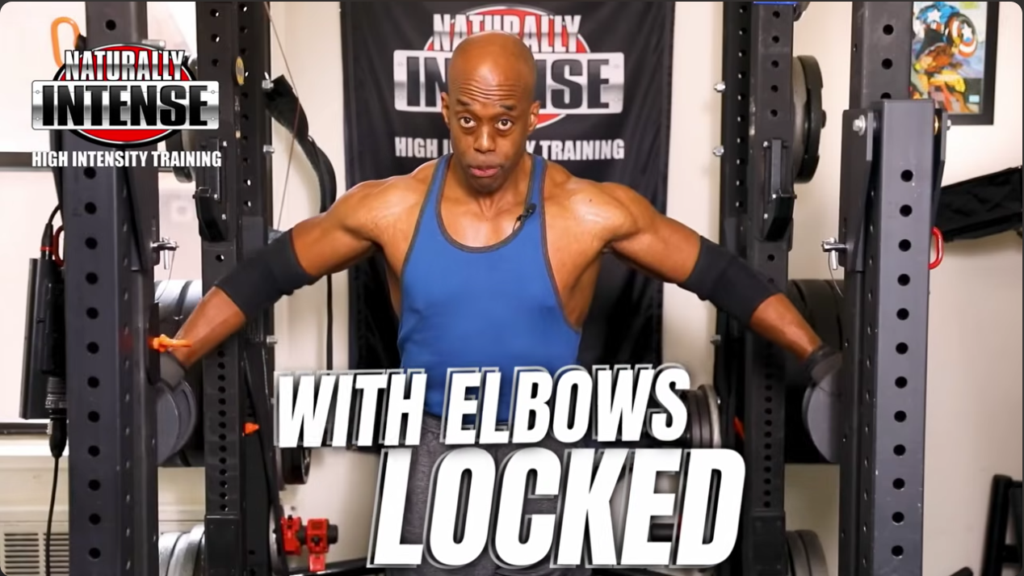
Using small, controlled movements, raise the dumbbells only part of the way up—staying in the lower to mid-range of motion. Focus on constant tension rather than lifting the weight high. By adding an isometric hold in the middle of a set, you increase the intensity of the exercise without risking any pain in the shoulders.
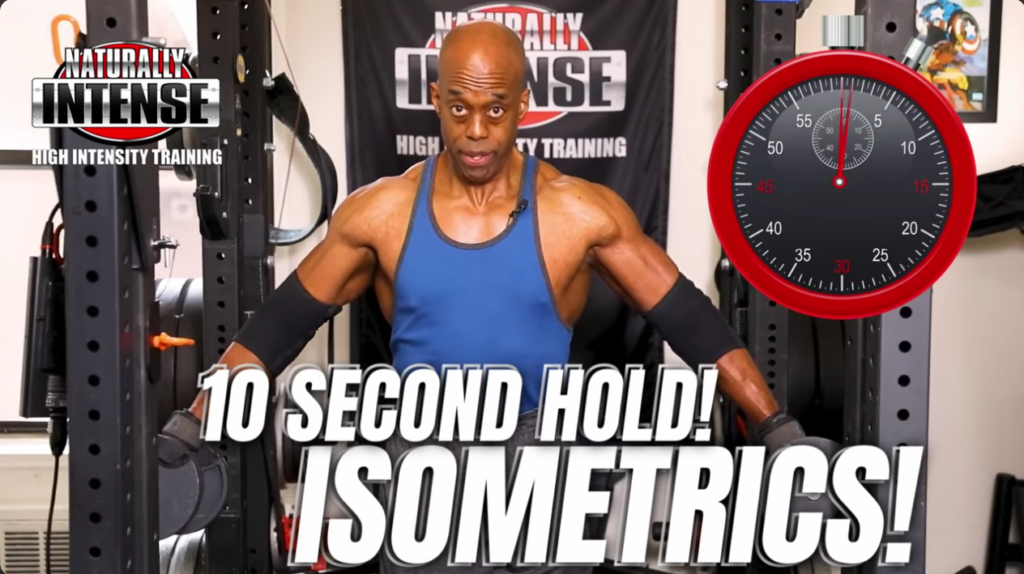
This variation heavily targets the medial deltoids while remaining extremely joint-friendly.
What About Trap Involvement?
You may notice your trapezius muscles assisting during this exercise. That’s not a problem.
Muscles do not grow best in complete isolation. Compound involvement allows you to use more weight, generate more overload, and ultimately stimulate more muscle growth.
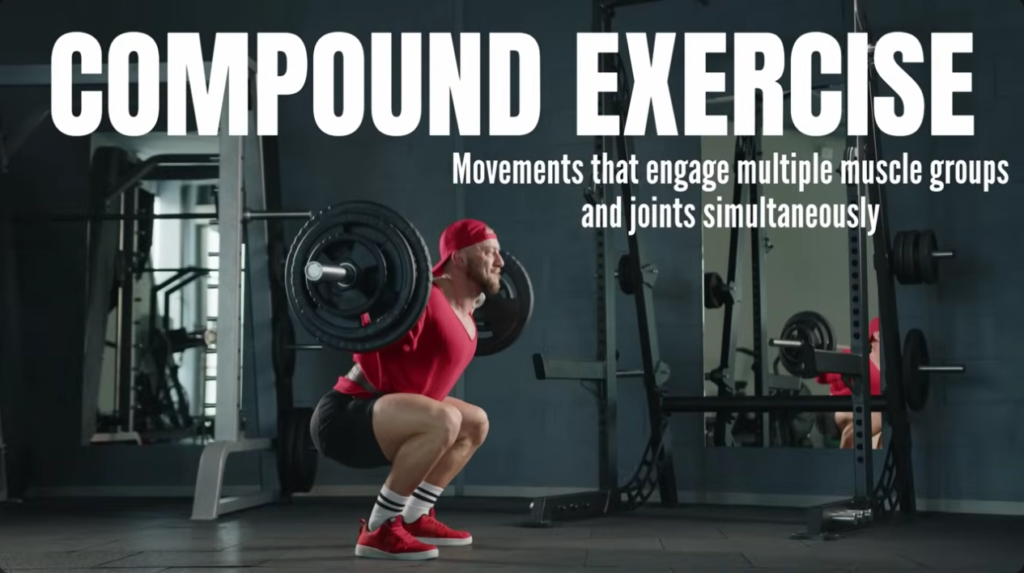
Just as squats recruit multiple muscle groups while still building powerful quadriceps, these side lateral variations effectively grow the medial delts even with assistance from surrounding muscles.
For more on why intelligent variation matters and how to structure your training split, check out Best Workout Split for Natural Bodybuilders.
Train Hard, Train Smart, Stay Pain-Free
Shoulder pain doesn’t mean your shoulder training is over.
With proper technique, intelligent exercise variation, and Naturally Intense High Intensity Training principles, you can continue building bigger shoulders while protecting your joints for the long term.
Always consult a physician before beginning any new exercise routine, especially if pain is present. But by finding movements that don’t hurt and applying maximum effort once you do, you can continue progressing safely.
Know I believe in you.
And as always—Excelsior.

CLICK FOR A FREE COPY OF KEVIN’S WEIGHT LOSS E-BOOK!
Featured everywhere from the Wall Street Journal to CBS News, Kevin Richardson’s Naturally Intense High Intensity Training have helped hundreds lose weight and transform their bodies with his 10 Minute Workouts. One of the top natural bodybuilders of his time, Kevin is also the international fitness consultant for UNICEF and one of the top personal trainers in New York City.